
Getting Ready for 2026: What Housebuilders Need to Know
After several years of economic uncertainty, fluctuating demand and changing buyer behaviour, the market is beginning to stabilise. But stability doesn’t mean a return to old ways of working. In fact, the housebuilders who will thrive in 2026 are those rethinking how they attract, engage and communicate with modern homebuyers.
Today’s buyers are more informed, more digitally confident and more experience‑driven than before. They expect authenticity, personalisation and reassurance at every stage of the home-buying journey; and they can be quick to lose interest when communication falls short.
So how can housebuilders prepare for 2026? We’ve looked into the predicted trends for the year ahead so you can really understand who your future buyers are, what pushes them to make positive decisions, and how communication technology can help you meet their rising expectations.
What Homebuyers Want in 2026
Today’s homebuyers are more informed, more selective and more digitally engaged than ever before. Research across the housing and mortgage sectors points to several consistent priorities shaping buyer behaviour heading into 2026:
Space and flexibility remain important, with demand for home offices, adaptable living areas and outdoor space continuing post‑pandemic.
Sustainability and energy efficiency are no longer optional extras. Buyers are increasingly focused on long‑term running costs, EPC ratings and future‑proofed homes.
Modern features and technology are a major draw for new‑build buyers, particularly first‑time buyers who expect homes, and brands, to feel contemporary and intuitive.
These priorities influence not just what people buy, but how they buy. Buyers want clarity, reassurance and confidence early in the process, long before they step onto site.
What this means for housebuilders:
Communicating these features clearly and consistently is crucial. Visual storytelling is overtaking text-heavy content formats and traditional marketing methods like brochures, email outreach and chasing leads on the phone just aren’t cutting it anymore.
Buyers need to see and understand what makes a home right for them, which is where visual and personalised communication plays a powerful role. Utilising visual tools like video and imagery to engage with your leads is key to standing out from other developers, capturing interest while it’s hot, and generating on-site appointments.
In fact, the content formats that marketers say deliver the highest ROI are short-form video (21%), and images (19%).
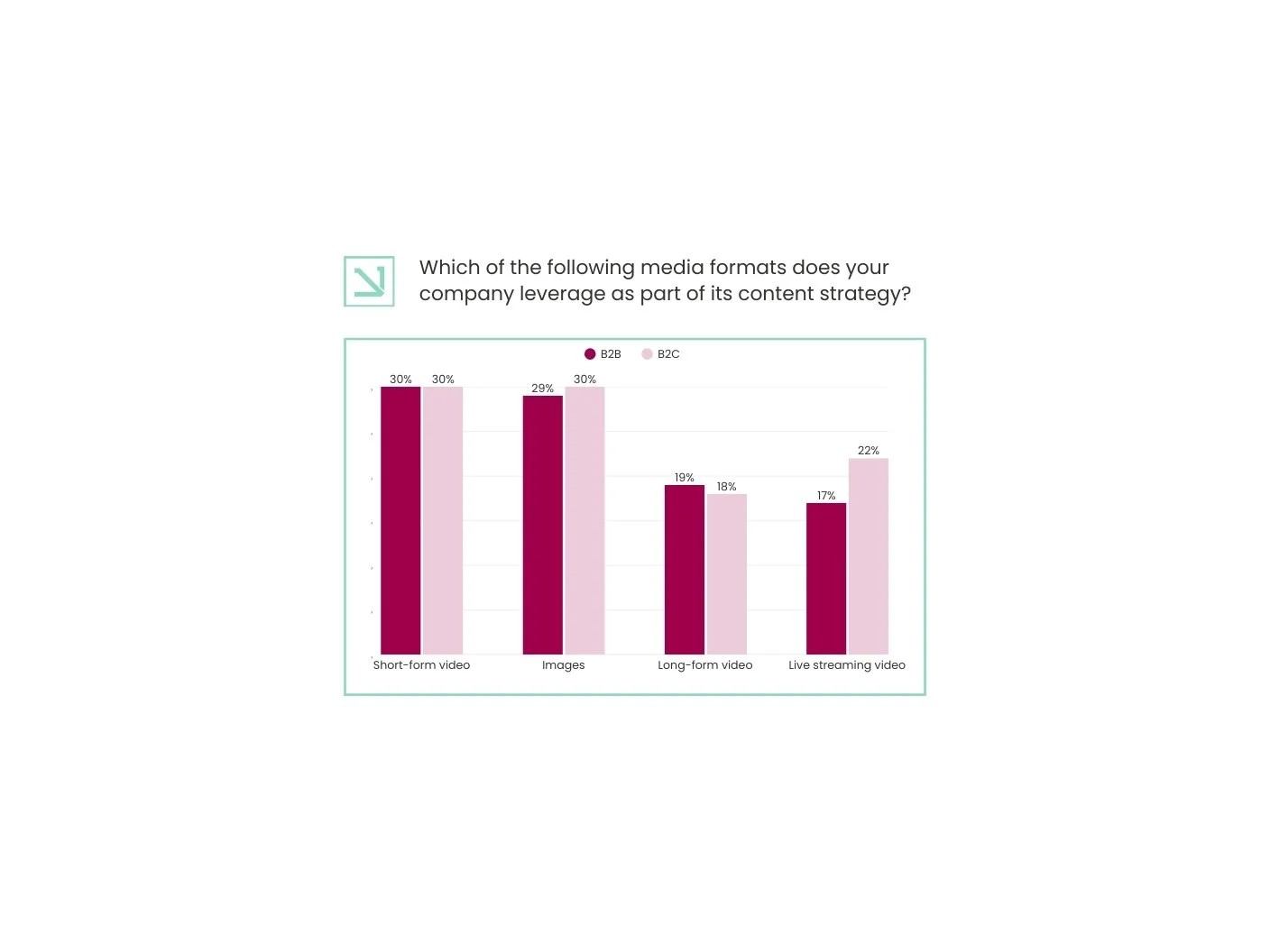
But still only 30% of companies are using short-form video and images in their marketing strategies.
For housebuilders, 2026 is the time to get ahead of the curve and start using effective communication tools to share information with buyers which will generate real results.
The Role of Technology in the Homebuying Journey
Technology is reshaping the way buyers discover, research and commit to new homes. From virtual tours and digital communications to AI‑powered tools, the buying journey is becoming faster, more transparent and more self‑directed.
At the same time, the wider property and construction sectors are under pressure. Planning delays and market uncertainty mean buyers can feel anxious or disengaged if communication drops off.
Buying a new home is a huge financial and emotional investment, and buyers need to feel reassured and informed at every step. Housebuilders need to embrace technology to nurture the customer, make them feel valued, and ultimately provide a positive and engaging customer experience to ensure frustrations and cancellations are kept to a minimum.
Technology isn’t just about efficiency – it’s about building trust.
Housebuilders who use digital tools to proactively update, explain and guide buyers through the process are far better placed to maintain confidence and momentum, even when timelines shift.
Customer Experience Is Now a Competitive Advantage
Customer satisfaction in the new‑build sector is strong, but expectations are rising fast. Buyers increasingly compare their experience with housebuilders to the seamless digital journeys they receive from retail, banking, automotive, and other service brands.
This shift mirrors what’s happening across marketing more broadly. According to HubSpot’s State of Marketing 2025 report, when asked what is becoming more important:
44% of marketers say focusing on the customer and their experience with your brand.
35% say using data to inform marketing efforts.
29% say providing customer service via messaging apps and social DMs.
For housebuilders, this reinforces a key truth:
Digital customer communication is no longer a ‘nice to have’. It is a core part of the product.
Social messaging in particular is becoming increasingly prevalent and difficult to ignore. We are all familiar with the likes of WhatsApp, Messenger, iMessage and other instant messaging apps as we all use them to communicate with friends and family on a daily basis, and this is quickly shifting into B2C communications too.
Some industries, like automotive and banking, have adapted quickly to this change in customer expectations and have adopted social messaging platforms as a tool to quickly message and update customers throughout their buying journeys.
But while most housebuilders are using some form of digital technology in their operations, a significant portion are not optimising its use for customer communications, and a small but notable number are still relying on methods like paper-based systems, email and phone calls.
Embracing business-grade social messaging technology in your communications will not only allow you to stand out from competitors, it will also provide your customers with an experience that they are familiar with and expect when buying a large-ticket item, increasing their trust and commitment to your brand.
Personalisation Drives Results and Reduces Cancellations.
Personalisation isn’t just a buzzword, it delivers measurable impact. And when looking at your customer communications, personalisation is key to providing an authentic and engaging experience which builds trust, brand loyalty and advocacy.
When asked in HubSpot’s 2025 State of Marketing Report, 96% of marketers reported that personalised experiences directly increased sales, with 44% saying it increases sales significantly.
In a high‑value, high‑emotion purchase like a new home, personalised communication can be the deciding factor between hesitation and making a positive decision. Buyers want to feel recognised, reassured and informed, not treated as a plot number.
Personalised video messages, tailored updates and targeted content help:
Reduce cancellations and uncertainty
Buying a new home is complex, emotional and often stressful, especially when timelines shift or information feels unclear. Proactive, personalised communication helps buyers understand what’s happening, what’s coming next and who to contact. When buyers feel informed and reassured, they’re far less likely to disengage, chase for updates or lose confidence in you.
Build trust and stronger emotional connections
People don’t just buy the home, they buy into the service they’ve been provided. Video is the fastest way to humanise your brand. Seeing and hearing real people via video creates a human connection that text alone can’t replicate. Personalised messages help buyers feel recognised as individuals, not transactions, strengthening emotional attachment to both the home and the brand behind it.
Support reservation and completion rates
Clear, consistent communication plays a direct role in maintaining momentum from enquiry to reservation and through to completion. Personalised updates help keep buyers engaged during quieter periods, reinforce their decision, and reduce the risk of second thoughts or cancellations. The more confident and supported a buyer feels, the more likely they are to progress.
Turn buyers into advocates
A positive communication experience doesn’t end at completion. Buyers who feel well looked after are far more likely to recommend their builder, leave positive reviews and share their experience with friends and family. Personalised, thoughtful communication turns customers into long‑term brand advocates which is a powerful advantage in a competitive market.
Visual Storytelling Is Overtaking Text‑Heavy Communication
Attention spans may be shrinking, but expectations for clarity are growing. Visual content is now the most effective way to communicate complex information quickly and emotionally.
Hubspot’s State of Marketing 2025 report highlights that:
Short‑form video is the most popular content format for both B2C and B2B brands
Content formats delivering the highest ROI are:
Short‑form video (21%)
Images (19%)
Live streamed video (16%)
For housebuilders, this is a huge opportunity. Video and imagery content allows you to:
Capture interest quickly and generate on-site appointments and event attendance
Short‑form, personalised video helps you grab attention far faster than text or static imagery. Whether inviting prospects to a launch event or encouraging site visits, video creates urgency and CTAs make it easier for buyers to take the next step.
Showcase homes, developments and community lifestyle
Video allows you to bring homes and communities to life, showing not just the property but the lifestyle around it. From street scenes to local amenities, this helps buyers emotionally picture themselves living there.
Explain build stages, timelines and next steps
Clear video updates simplify information, helping buyers visually understand what’s happening and what to expect next. This reduces confusion, cuts down inbound queries and builds trust during key stages of the build process. Importantly, it keeps buyers excited!
Generate authentic, shareable content quickly
Personalised and informal video content often feels more human and credible than polished marketing assets. Buyers can easily share content with friends and family, supporting brand advocacy and word‑of‑mouth marketing.
Improve CSAT scores through personalised review CTAs
Timely, personalised video messages asking for feedback or reviews feel more genuine and less transactional. Buyers are more likely to respond positively when requests come from a real person at the right moment in their journey.
Getting Ready for 2026
As the housing market steadies and competition increases, the housebuilders who stand out will be those who:
Understand changing buyer priorities
Embrace technology to enhance, not replace, human connection
Invest in personalised, data‑driven social messaging platforms made for business
Use video and visual storytelling to engage buyers at every stage.
Getting ready for 2026 isn’t just about what you build; it’s about how you communicate with your buyers to boost sales.
At Movin Technology, we help housebuilders deliver personalised, branded and secure social messaging that supports buyers from first enquiry through to completion and beyond.
If you’d like to hear more about how we can support you and your customers moving into 2026, book a short call with us using the button below.
